Every week in Jandakot someone encounters a scenario where fundamental first aid expertise would alter a result. Whether that is a work environment case near the airport terminal, a backyard shed, or a child that has actually diminished a bike, the time in between injury and specialist medical care commonly figures out recuperation and family stress. People enroll in a first aid course Jandakot for many factors: to satisfy workplace compliance, to plan for a showing off club lineup, or merely to really feel equipped when something goes wrong. Yet alongside the functional training rest persistent myths that threaten self-confidence and hold-up ideal activity. This write-up divides fact from fiction and provides practical advice for anybody considering first aid training in Jandakot or rejuvenating their CPR skills.
Why the misconceptions matter
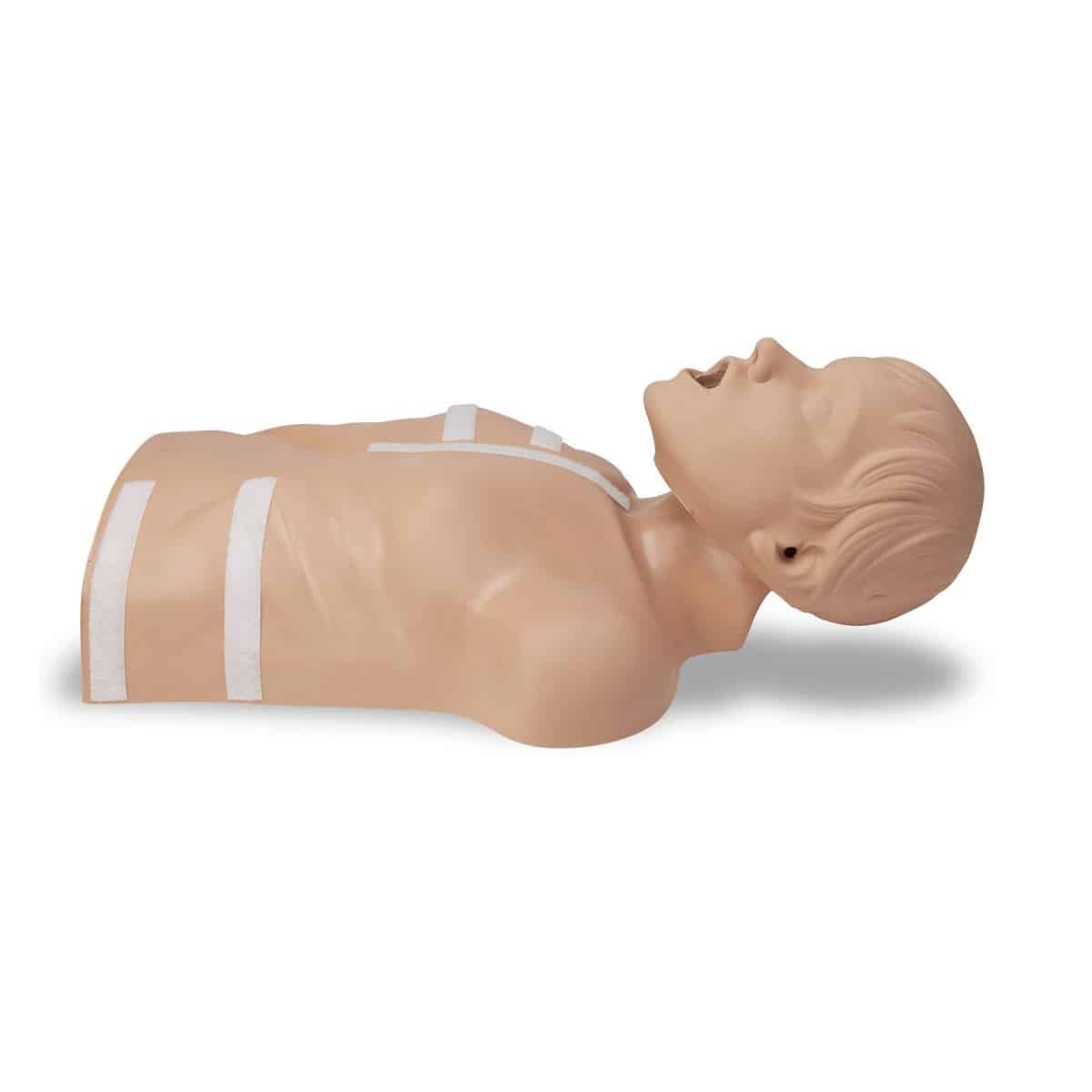
Misconceptions about hemorrhaging control, CPR, and when to call emergency solutions lead to hesitation. Hesitation equates right into lost minutes and often avoidable difficulties. Courses such as a first aid and CPR jandakot program instruct hands-on techniques, however they additionally remedy fallacies. My purpose below is not to replace training, however to clarify what is secure, reliable, and lawfully sensible. If you live or work in Jandakot and are choosing in between providers like First Aid Pro Jandakot or a community-provider course, recognizing the realities will help you choose the best training and feel great using it.
A note on course types and certificates
First aid course Jandakot offerings range from basic four-hour certifications to thorough one- or two-day accredited courses that consist of CPR, automated exterior defibrillator use, and management of anaphylaxis. Lots of employers require a country wide recognised first aid certificate Jandakot that complies with regional work environment requirements. There are also CPR correspondence course Jandakot alternatives for those whose accreditation is nearing expiry; proficiency discolors quickly without technique, especially for upper body compressions and AED usage. When comparing first aid training Jandakot service providers, check whether the certificate is nationally recognised, whether practical abilities are examined, and just how much hands-on time you will certainly obtain with manikins and AED trainers.
Myth 1: You have to wait on an ambulance before relocating an injured person
This is among the most hazardous false impressions in everyday cases. People usually think movement equates to making points even worse, so they delay any kind of relocation. Reality is a lot more nuanced. If an injured individual remains in immediate threat from traffic, fire, or collapse, moving them very carefully to safety and security is ideal. Similarly, if continued positioning compromises taking a breath or flow, an adjustment is needed. On the various other hand, if a person has thought spinal injury and is stable where they are, marginal activity is normally ideal until paramedics get here. Training in a Jandakot first aid course will educate safe methods for moving someone when needed, and just how to make a decision when to immobilise and when to rearrange for respiratory tract management.
Myth 2: If you are unsure whether to call triple zero phone call later or after a while
The right technique is to call 000 promptly when there is any kind of uncertainty about dangerous conditions. Indicators consist of severe bleeding, unfamiliarity or modified degree of awareness, trouble breathing, breast pain, thought stroke, or serious allergies. Emergency situation dispatchers can assist by phone and keep you acting until paramedics arrive. Postponing the call because you hope the circumstance will certainly improve can set you back valuable time. First aid and CPR courses in Jandakot emphasise very early activation of emergency services as a crucial step in the chain of survival.
Myth 3: CPR is only for adults and only if the person has quit breathing
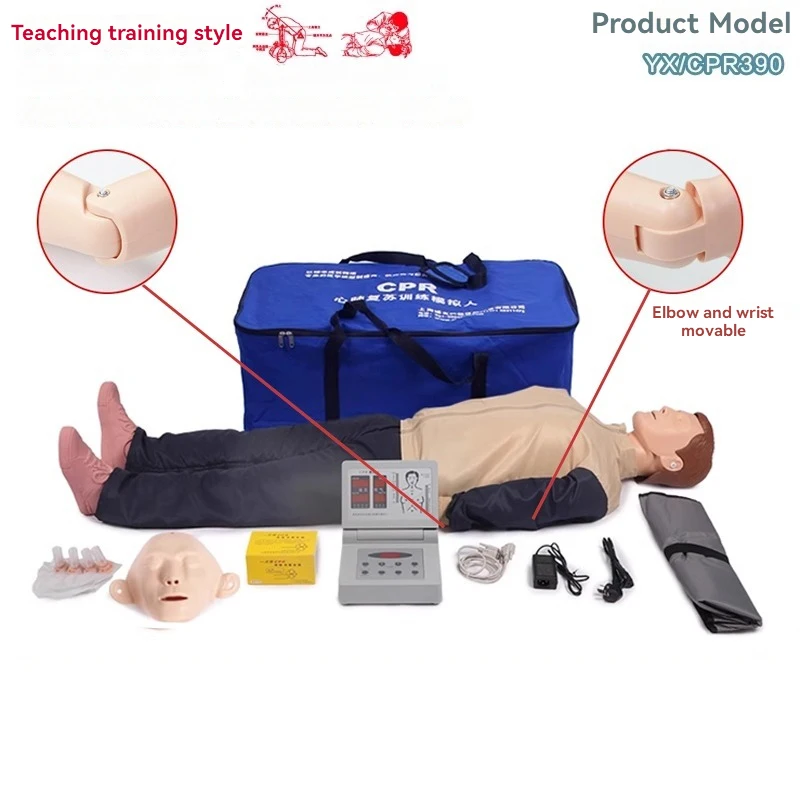
CPR and standard resuscitation methods differ by age, yet chest compressions and rescue breaths can be lifesaving for babies, youngsters, and adults. For sufferers that are less competent and not breathing normally, CPR should start promptly. For kids, rescuers make use of gentler compression depth and various hand positioning. Many people assume that "not breathing" should indicate total cessation of any type of breath, but agonal gasps or uncommon breathing patterns are ineffective breathing. Recognising inadequate breathing and starting CPR earlier boosts end results. Neighborhood CPR course Jandakot sessions often include kid and baby modules due to the fact that those situations are common Visit this page and require modified technique.
Myth 4: You need costly tools to manage severe bleeding
Severe bleeding can typically be taken care of properly with techniques taught in standard courses. Direct stress with a tidy dressing, altitude of the limb when proper, and pressure bandaging can control most bleeding. Training covers when to use a tourniquet and how to do so securely. While a correct commercial tourniquet is suitable, improvisated ones can be lifesaving in severe scenarios if used appropriately. The trick is quick action. First aid training in Jandakot will certainly provide you useful practice so that controlling bleeding becomes a confident response as opposed to a guess.
Myth 5: Just medically skilled individuals must use an AED
Automated exterior defibrillators are designed for nonprofessional use and include voice motivates and safety and security functions that minimize the danger of harm. Onlookers learnt CPR and AED make use of substantially increase the opportunity of survival in unexpected heart attack. Public gain access to AEDs are increasingly existing in workplaces, shopping centres, and showing off facilities around Jandakot. A first aid and CPR course Jandakot will certainly consist of supervised AED method so guests leave comfortable transforming one on and following its instructions.
How training deals with these myths
Good courses change guesswork with muscular tissue memory. Practical repeating in a controlled atmosphere enhances the proper sequence: evaluate scene safety and security, check responsiveness, telephone call emergency solutions, open air passage, check breathing, begin CPR or control bleeding as required, and use an AED when indicated. A high quality Jandakot first aid course guarantees you exercise compressions to the advised depth and price, use dressings that stay safe, and coordinate with others in multi-rescuer circumstances. Trainers with real emergency situation action experience explain situational nuances that a textbook alone can not convey, such as handling spectator panic or making fast choices when professional help is delayed.
Choosing the right company in Jandakot
Not all first aid courses are equivalent. Some service providers focus on brief, low-priced sessions that tick a box for office induction without sufficient hands-on abilities. Others, including reputed neighborhood trainers, balance theory with realistic circumstance technique and ongoing analysis. When selecting a first aid course in Jandakot, consider these practical standards: course length relative to promoted web content, class size for functional time, whether abilities are examined on manikins and AED instructors, and whether the certificate is across the country identified if that matters for work conformity. Ask about follow-up options, such as a CPR refresher course Jandakot, because retention decreases without routine practice.
What a reasonable course timetable looks like
A comprehensive one-day first aid and CPR course Jandakot commonly begins with a review of legal and safety and security commitments, adhered to by introductions to respiratory tract monitoring, CPR on adults and youngsters, use an AED, and management of blood loss, shock, burns, cracks, and choking. Practical abilities alternating with short circumstance drills where individuals rotate roles and method choice making under light anxiety. Prolonged accredited courses include formal assessment components that fulfill governing standards for workplace demands. Much shorter half-day sessions can cover CPR and standard life assistance and work for clubs and little groups that need targeted skills rather than a full first aid certificate Jandakot.
What to bring and how to get ready for a course
Arrive prepared to exercise. Comfortable apparel that enables you to kneel and relocate makes hands-on sessions easier. Bring image ID if the carrier requires it for qualification. Several courses already offer manikins and tools, but if you have a previous certificate bring it along so teachers can customize the session to your needs.
Checklist for attendees
- comfortable clothing appropriate for stooping and moving photo recognition for accreditation if required previous first aid certificate if you are renewing or refreshing a notepad or tool for personal notes about strategies and regional resources willingness to exercise skills with other participants
These basic preparations ensure you first aid training program get one of the most from course time and leave with useful skills rather than superficial knowledge.
Handling edge cases and trade-offs
First aid usually requires judgment phone calls as opposed to stringent guidelines. For example, with a believed busted leg: splinting is very important, yet moving the individual could enhance discomfort or trigger more injury if done roughly. In remote setups around Jandakot where ambulance response may take much longer, improvised splints and cautious surveillance become more vital. For severe allergies, epinephrine autoinjectors supply rapid sign control, but training covers when to administer and the need to still call emergency situation services. During a CPR event, spectator exhaustion is real; exchanging compressors every two minutes preserves compression high quality. Good training discusses these compromises and practices multi-rescuer coordination so transitions are smooth.
Real-world examples from neighborhood practice
A little production facility near Jandakot Airport terminal when had an incident where a worker experienced a deep laceration to the lower arm. A colleague that had completed an office first aid course used a pressure clothing, elevated the limb, and kept direct pressure while one more staff member called triple zero. The target needed sutures, but the bleeding was managed and the individual stayed aware and oriented. Another case involved a child at a neighborhood sports club that broke down after an autumn. Quick recognition of modified breathing and immediate CPR by a trained moms and dad, alongside an AED from the clubhouse, contributed to a favorable outcome. These occasions show how training in Jandakot contexts equates to efficient instant response.
Updating abilities and managing confidence fade
Skills like breast compressions and applying dressings degeneration otherwise practiced. Most enrollment bodies advise CPR refreshers every one year and a complete first aid certificate revival every three years for office compliance. For individuals that use these skills much less frequently, regular brief refresher courses make the distinction between hesitating and acting decisively. Lots of training companies in Jandakot supply CPR refresher course Jandakot sessions that concentrate on sensible compression method, AED familiarisation, and short analyses to recover confidence.
Legal and work environment considerations
In Australia, Good Samaritan laws secure bystanders who supply reasonable help in an emergency. Still, offices have specific obligations under work health and safety regulation to offer appropriate first aid resources and training. Companies in Jandakot need to make sure personnel protection, accessible first aid kits, and an authorized first aid certificate Jandakot for assigned first aid police officers. Courses that consist of first aid and CPR jandakot modules assist organisations satisfy these responsibilities and lower responsibility by showing positive treatment training.
How to exercise outside a formal course
You can reinforce skills securely outside a formal course. Manikin practice sessions offered by community centers, office drills, and monitored AED familiarisation days all aid. Some providers run short functional evenings where individuals rotate with bleeding control, choking reaction, and compression method. Video resources from trusted health and wellness organisations can supplement hands-on method, however they are not replacements for trainer responses on compression deepness and hand placement.
Misconception checklist: four typical misconceptions corrected
- Myth: Mouth-to-mouth is always called for. Fact: Hands-only CPR works for grown-up unexpected heart attack and is better for untrained onlookers; rescue breaths remain essential for kids and some non-cardiac reasons for arrest. Myth: If a person is breathing they do not require help. Fact: Uncommon or inadequate breathing can need immediate intervention and surveillance; respiratory system distress can deteriorate quickly. Myth: Only specialists need to touch a person with chest discomfort. Truth: Immediate bystander evaluation, calling emergency situation services, and giving aspirin when encouraged by send off or method can be lifesaving. Myth: A tourniquet will certainly create limb loss. Reality: Appropriately used tourniquets in lethal hemorrhage save lives, and limb loss from a tourniquet is rare compared with fatality from unchecked bleeding.
Finding local courses and following steps
Search for "first aid course Jandakot" or "CPR course Jandakot" and search for suppliers that list nationwide acknowledgment, practical assessment, and teacher qualifications. Compare class dimensions, equipment, and situation method. If you require workplace conformity, validate the certificate satisfies your employer or regulatory authority needs. For families or neighborhood teams, ask if the course consists of youngster and baby modules. Ultimately, plan for follow-up practice. Register for a CPR correspondence course Jandakot each year, and routine hands-on practice for teams who may depend on these skills.
Confidence under pressure

The most regular outcome from well-run training is minimized reluctance. People who have actually rehearsed skills under light stress and anxiety, obtained corrective feedback, and practised transitions are far more likely to act emphatically. A first aid training Jandakot session is not regarding memorising protocols; it has to do with internalising concerns to ensure that when an occurrence happens you move straight into effective activity. That self-confidence is what divides guesswork from lifesaving care.
If you live or operate in Jandakot and have not yet taken an acknowledged first aid and CPR course, enlist in a session that stabilizes theory with sensible practice. Select a provider that stresses hands-on knowing, uses periodic refreshers, and prepares participants to take care of the unpleasant facts of emergencies. With clear truths replacing common myths, you will certainly prepare to aid when it matters most.